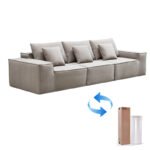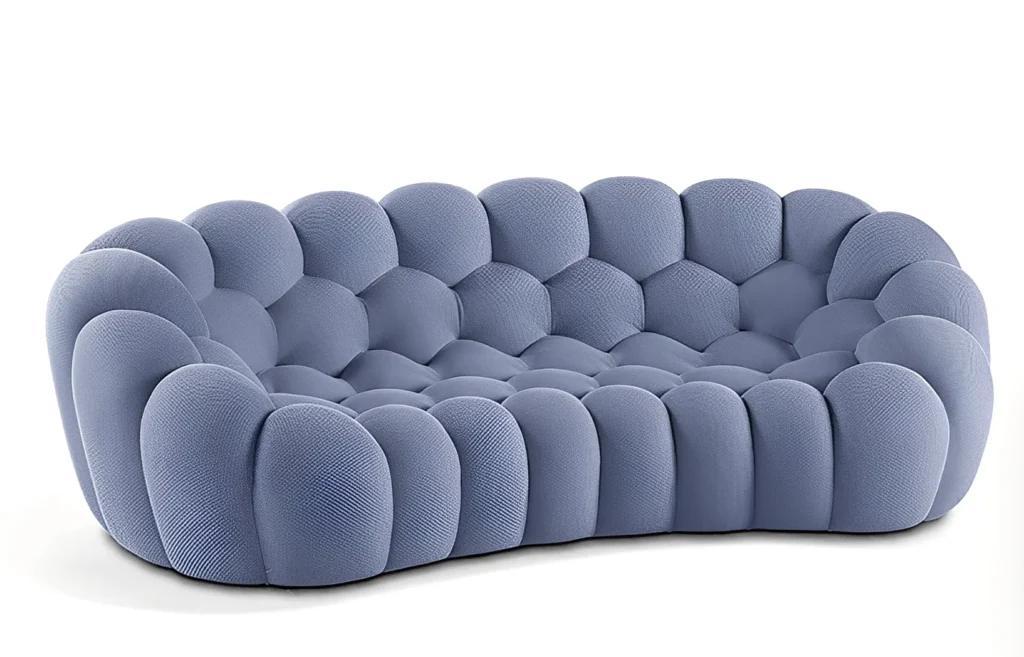
In 2025, compressed sofas are no longer a fringe novelty. They are rapidly becoming a mainstream furniture category across continents. But adoption is not uniform everywhere. Some countries have moved faster than others to integrate compressed sofas into everyday living, online retail, and wholesale supply chains.
This article explores which countries are leading the global adoption of compressed sofas, and why. Drawing from our experience at Compress Sofas, this article examines economic trends, lifestyle shifts, logistics evolution, and consumer behavior that drive demand in different markets. Along the way, I’ll share key insights that help furniture sellers, manufacturers, and importers prepare for what’s ahead.
What Makes Compressed Sofas So Valuable in 2025?
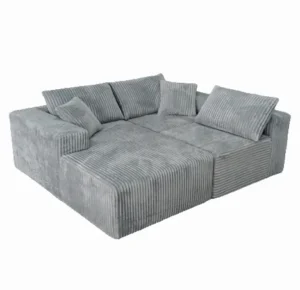
Before we dive into country‑by‑country trends, it’s worth recalling the core reasons compressed sofas are gaining momentum:
-
Space efficiency: They ship in compact boxes and expand after unpacking.
-
Cost savings: Lower shipping and storage costs than traditional bulk furniture.
-
Suitability for e‑commerce: Easy delivery and unboxing make them ideal for online sales.
-
Versatility: Many models function as modular seating or sleeper sofas.
-
Growing customer awareness: Consumers now know what to expect in terms of comfort and quality.
These advantages create a fertile environment for buyers and sellers — especially in countries with dense cities, strong e‑commerce infrastructures, and rising urban middle classes. At Compress Sofas, we see these patterns play out daily in inquiries, orders, and market feedback.
How We Define “Massive Adoption”
Throughout this article, “massive adoption” refers to large‑scale demand, high import volume, widespread retailer interest, and strong online buyer behavior toward compressed sofas. It does not necessarily mean that compressed sofas dominate the entire furniture market — but that they have become a notable, growing category in year‑over‑year sales.

Table: Key Market Indicators by Country
Here’s a snapshot of leading markets and how they differ in demand drivers:
| Country/Region | Main Drivers | E‑commerce Focus | Urban Space Trends | Wholesale/Import Activity |
|---|---|---|---|---|
| United States | Online sales + convenience | Very high | Medium‑large urban centers | High |
| Canada | Durable furniture + winter housing | High | Mid‑size cities | Growing |
| United Kingdom | Small homes + modular living | Very high | Dense cities | High |
| Germany | Logistics efficiency + sustainability | High | Urban density | Very high |
| France | Style + space management | High | European metro areas | Growing rapidly |
| Australia | Compact living + design trend | High | City apartments | Mid‑high |
| Japan | Space constraints + innovation | Very high | High density | High |
| South Korea | Trend adoption + online culture | High | Dense | Growing |
| UAE | Premium imports + expat demand | Medium | Urban centers | Emerging |
| Brazil | Urban growth + cost sensitivity | Growing | Urban expansion | Mid |
This table highlights why certain countries are moving faster than others: each market has unique motivators, from space constraints to e‑commerce readiness.
United States: E‑Commerce Drives Rapid Growth

The United States is one of the largest markets for compressed sofas in 2025. Several factors explain this trend:
-
Online Furniture Purchasing: American consumers increasingly buy sofas online, especially with the rise of direct‑to‑consumer furniture brands. Compressed sofas fit this model perfectly because they ship easily via standard couriers.
-
Apartment Living Trends: Urban centers like New York, Los Angeles, and Chicago have many apartment dwellers who appreciate space‑efficient furniture.
-
High Consumer Awareness: Today’s buyers are familiar with unboxing videos and look for furniture that offers both convenience and style.
At Compress Sofas, we see strong US buyer interest in modular compressed sofa sets that function as living room anchors for small to mid‑size homes. Wholesale partners in North America also report faster turnover rates and lower logistics headaches compared with bulk furniture shipments.
Canada: Comfort Meets Practicality
Canada also shows significant growth in compressed sofa adoption, especially in provinces with cold winters and large living spaces that still benefit from easy delivery and setup.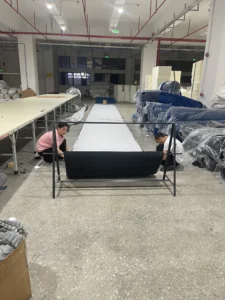
Key drivers include:
-
Value‑oriented buyers who appreciate the lower delivery costs.
-
Home office and multifunctional spaces that require flexible furniture.
-
Long distance logistics where traditional freight shipping adds extra cost.
Canadian retailers increasingly list compressed sofas as a way to offer “traditional comfort with modern logistics,” and many end users highlight the ease of handling and setup in online reviews.
United Kingdom: Compact Homes, Big Demand
In the United Kingdom, especially in London and other metropolitan areas, small flats and tight living spaces are common. Compressed sofas have become a preferred choice for:
-
Urban professionals with limited square footage
-
Students and renters who move frequently
-
Online shoppers who want convenience without compromise
E‑commerce furniture platforms list compressed sofa options prominently, and many UK customers choose designs that double as sleeper sofas or sectional pieces.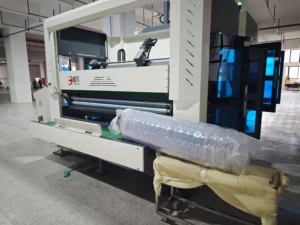
Germany: Efficiency and Sustainability
Germany is a strong adopter of compressed sofas, thanks to a combination of logistics efficiency and sustainability awareness. German consumers and retailers value:
-
Compact packaging that reduces freight emissions
-
Quality craftsmanship and durability
-
Easy returns and customer service experiences
Wholesale partners in Germany emphasize that compressed sofas fit well with local preferences for efficient logistics and long‑lasting products.
France: Style and Practical Living
In France, compressed sofas are gaining traction, particularly in cities like Paris, Lyon, and Marseille where apartment living and design aesthetics intersect.
French buyers tend to care about:
-
Stylish upholstery and fabric choices
-
Practicality in tight living spaces
-
Furniture that looks great and ships easily
Retail partners emphasize that French customers often choose compressed sofas that combine design flair with everyday comfort.
Australia: City Living and Design Sensibility
Australia is another market where compressed sofas are flourishing. Cities like Sydney, Melbourne, and Brisbane have vibrant apartment markets and active online furniture shopping behaviors.
Local trends include:
-
Buyers seeking furniture that fits city apartments
-
A preference for modern and minimalist design
-
Online research before purchase
At Compress Sofas, we see strong interest from Australian retailers who are adding compressed sofa lines to online showrooms and marketplaces.
Japan: Dense Living Spaces Demand Smart Solutions
Japan’s dense urban environments — especially in Tokyo, Osaka, and Yokohama — make space‑efficient furniture a necessity. Compressed sofas appeal to:
-
Small apartment dwellers
-
Consumers interested in convenience and quality
-
Trend‑savvy buyers influenced by online social platforms
Japanese retailers also appreciate how compressed sofas simplify returns and logistics within the country’s unique delivery ecosystem.
South Korea: Tech‑Savvy Buyers Embrace Trends
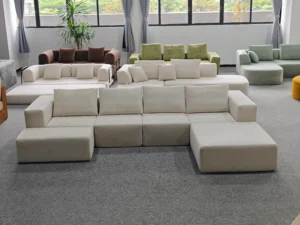
South Korea’s furniture market is characterized by fast adoption of new trends, high online penetration, and design awareness. Compressed sofas fit well with:
-
Online shopping culture
-
High density living environments
-
Interest in multifunctional furniture
Wholesale importers in Seoul and Busan increasingly stock compressed sofa models for both domestic retailers and online marketplaces.
UAE: Luxury Imports with Growing Curiosity
In the United Arab Emirates, especially in Dubai and Abu Dhabi, adoption is still emerging but gaining momentum. Drivers include:
-
Expat populations seeking easy‑to‑move furniture
-
Retailers exploring compact import options
-
Buyers interested in high‑end compressed sofa designs
While the market is smaller than others on this list, demand is rising — particularly among young professionals and urban residents.
Brazil: Urban Growth Meets Cost Sensitivity
Brazil’s furniture market is evolving, with cities like São Paulo and Rio de Janeiro experiencing rapid urban expansion. Compressed sofas resonate for:
-
Buyers seeking lower delivery and handling costs
-
E‑commerce shoppers looking for convenience
-
Young professionals furnishing first homes
While adoption is not yet as high as in North America or Europe, growth is accelerating, especially in urban retail districts.
Common Traits Among High Adoption Countries
Across markets with heavy adoption, several traits stand out:
-
Urbanization: Dense cities with limited living space favor compact furniture.
-
E‑commerce Penetration: Strong online marketplaces make compressed sofas easy to sell and deliver.
-
Consumer Awareness: Buyers understand the value proposition of space‑efficient, easy‑deliver furniture.
-
Logistics Advantage: Reduced freight and handling costs benefit sellers and buyers alike.
-
Design Preference: Modular and stylish options broaden appeal beyond basic utility.
What This Means for Furniture Sellers and Manufacturers
If you are in the business of selling or manufacturing compressed sofas — whether as an importer, wholesaler, or brand — these trends matter: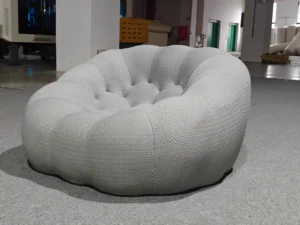
-
Focus on markets with proven demand (US, UK, Germany, Japan).
-
Customize product listings for local preferences (style, fabric, shape).
-
Leverage e‑commerce platforms alongside wholesale channels.
-
Educate buyers about compressed sofa benefits (comfort, setup, space savings).
-
Prepare logistics partners to handle compact deliveries at scale.
At Compress Sofas, we help partners understand these dynamics and source models tailored to different market profiles.
How to Prepare for Global Adoption Trends
Whether you are just entering the compressed sofa space or expanding into new countries, here are steps that help:
-
Market Research: Identify local living habits, shipping infrastructure, and buyer expectations.
-
Product Differentiation: Offer variety in design, size, and functionality.
-
Logistics Partnerships: Build relationships with courier and freight partners who understand compressed furniture.
-
Customer Support: Provide clear unpacking and setup guidance to reduce returns.
-
Marketing Strategy: Use localized messaging that speaks to urban space problems and comfort solutions.
These preparations help bridge global trends with local realities, giving sellers a competitive edge in 2025 and beyond.
Conclusion
In 2025, compressed sofas are no longer just an innovative idea — they are a global trend reshaping how people buy and use furniture. Countries such as the United States, United Kingdom, Germany, Japan, and others have moved quickly to adopt compressed sofas because of space constraints, logistics advantages, and strong e‑commerce cultures.
If you are a seller, manufacturer, or importer, understanding these adoption patterns will help you position your offerings strategically and capture growth opportunities in multiple regions.
Are you ready for the next wave of furniture evolution? With the right approach, compressed sofas can become a core part of your global business strategy.