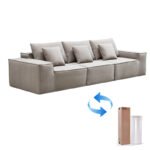
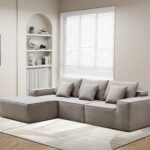
Selling compressed sofas into the European market can open massive growth opportunities. However, if you don’t meet the required certifications, your products may be blocked at customs, fined, or even recalled after sale.
At HSM Compress Sofa, we’ve helped dozens of clients successfully export to EU countries. From labeling to flammability testing, we understand exactly what’s needed to keep your shipments compliant—and your customers safe.
This article gives a clear overview of the most important certifications, what they mean, and how you can prepare your compressed sofas for Europe.
Why Certification Matters More in Europe
Europe has some of the strictest product safety and environmental standards in the world.
Compressed sofas are considered “consumer goods” and fall under multiple categories, including:
Home furniture
Foam-based consumer products
Textile-based imports
Upholstered goods
If your product fails to meet the required standards, it can be denied entry at customs or returned at the buyer’s cost.
For brands and distributors, that’s not just a financial loss—it can damage your reputation.
Overview of Key European Certifications for Compressed Sofas
Here are the most common certifications and regulations your compressed sofas must follow to be accepted in the EU market:
CE Marking
Although CE is not typically required for sofas, some components like integrated electrics (e.g. recliners or USB ports) may require CE certification.
REACH Regulation
REACH (Registration, Evaluation, Authorization and Restriction of Chemicals) is one of the most important regulations in the EU.
It ensures that no harmful chemicals are present in the materials used, including:
Textiles
Foam
Glue
Plastic parts
Paint or coatings
At HSM, we pre-test all raw materials to ensure compliance with REACH.
EN Standards (European Norms)
These are the most critical performance and safety tests required for upholstered furniture.
Some key EN standards include:
EN 12520: Strength and durability for domestic seating
EN 1021-1: Cigarette resistance for upholstery
EN 1021-2: Match flame resistance (optional, but recommended)
EN 581: Outdoor furniture performance (if applicable)
EN 1728: Mechanical durability testing
If you’re selling to large retailers or government institutions, meeting EN 1021-1 and EN 1021-2 is often mandatory.
FSC Certification (Optional but Recommended)
If your sofas include wooden frames, many buyers in Europe prefer FSC-certified wood, which guarantees sustainable forestry.
EPR (Extended Producer Responsibility)
In countries like Germany and France, you may be responsible for the recycling and disposal of packaging materials. Proper labeling and registration may be needed.
Certification Checklist for European Sofa Distributors
To simplify, here’s a quick comparison table showing what’s required and why it matters:
| Certification / Test | Mandatory? | Scope | Importance to Sofa Exporters |
|---|---|---|---|
| REACH | Yes | Chemical safety (foam, fabric, glue) | Prevents customs rejection |
| EN 1021-1 | Yes | Fire safety (cigarette test) | Required by most retailers |
| EN 1021-2 | Often | Fire safety (match flame test) | Requested in high-risk countries |
| CE Marking (for recliners) | Conditional | Electrical components (USB, motor) | Only if powered parts are included |
| EN 12520 / EN 1728 | Yes | Durability & strength | Needed for large buyers |
| FSC | Optional | Sustainable wood | Preferred by eco-conscious markets |
| EPR | Varies | Packaging and recycling responsibility | Required for long-term importers |
At HSM, we help clients handle these certifications from factory testing to document preparation.
See more at https://compress-sofas.com/
What Happens If You Skip Certification?
Skipping certification may seem like a way to save money, but it comes with major risks:
Your goods may be held or rejected at the EU border
Retailers may cancel orders after failed lab tests
You may face recalls, fines, or reputation damage
Insurance claims may be invalid during accidents
Your product listings may be removed from platforms
We’ve seen many new sellers suffer losses because they assumed factory standards were “good enough.” In Europe, only verified standards count.
How We Help Our Clients with Certification
At HSM Compress Sofa, we make compliance part of our manufacturing process—not an afterthought.
Here’s how we support you:
We pre-test foam and fabric for REACH and flame resistance
We use certified suppliers for all wood, metal, and textiles
We can provide lab test reports from SGS, TUV, or Intertek
We help you apply for CE declaration for recliners
We prepare technical documentation (DoC, labeling, barcode)
We work with you to meet EPR requirements by country
This saves you time, avoids delays, and builds long-term trust with your EU buyers.
Country-Specific Requirements You Should Know
While EU laws are unified, each country may have different preferences and policies.
Here are some specific cases:
France
Requires stricter EPR compliance for packaging
Retailers often demand both EN 1021-1 and EN 1021-2
Eco-labels are increasingly requested
Germany
Very strict on REACH and furniture labeling
Requires registration for packaging waste management
FSC wood is highly preferred
Netherlands
Focus on sustainability and modular design
Retailers expect transparent documentation
Italy & Spain
More relaxed on fire safety but expect EN 12520 mechanical testing
Nordic countries (Sweden, Denmark, Norway)
Strong demand for eco-certifications and simple designs
Compressed packaging must be recyclable
We’ve shipped to all these regions and help clients navigate local regulations.
How to Label and Package Sofas for the EU Market
Beyond certifications, your compressed sofas also need proper labeling and packaging for Europe.
Labeling should include:
Product name
Model number
Manufacturer info
Date of production
Country of origin (e.g. Made in China)
Compliance marks (CE, FSC, etc.)
Packaging must:
Use recyclable materials where possible
Be strong enough for multi-stop transport
Include symbols for handling (this side up, fragile)
Be marked with barcodes and serial numbers if required
At HSM, all our export cartons meet these needs. We can also apply customer-provided labels and scan codes before shipment.
What Buyers Expect From Certified Suppliers
European buyers—especially large retail chains or distributors—expect more than just certification papers.
They look for:
Consistency in quality over time
Quick response on documentation requests
Ability to adapt to local requirements
Clear communication and follow-up
Factory audits if necessary
We’ve passed audits from global brands, including DTC retailers and wholesale platforms. Our two self-owned factories operate under strict QC standards and ISO-like processes.
This makes your job as a distributor much easier.
Why Choose HSM Compress Sofa for Europe?
We are one of the few compressed sofa factories in China with full export capability for the European market.
What we offer:
Over 10 years of export experience
Lab-tested materials that meet EU norms
Documentation and labeling support
Low MOQs for first container tests
Eco-packaging and FSC materials
Fast turnaround and full customization
We currently serve clients in Germany, France, the Netherlands, Spain, and Italy—and we’re looking for more long-term partners in Europe.
To start, visit https://compress-sofas.com/
Conclusion
Selling compressed sofas in Europe isn’t just about having a good product. It’s about having a product that meets every legal, environmental, and market expectation.
Certifications are not optional—they are your entry ticket to a massive market.
At HSM Compress Sofa, we give you everything you need to enter Europe with confidence.
From fire safety to packaging recycling—we’ve got it covered.
Let’s build your next container the right way.