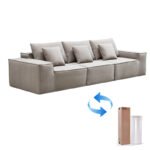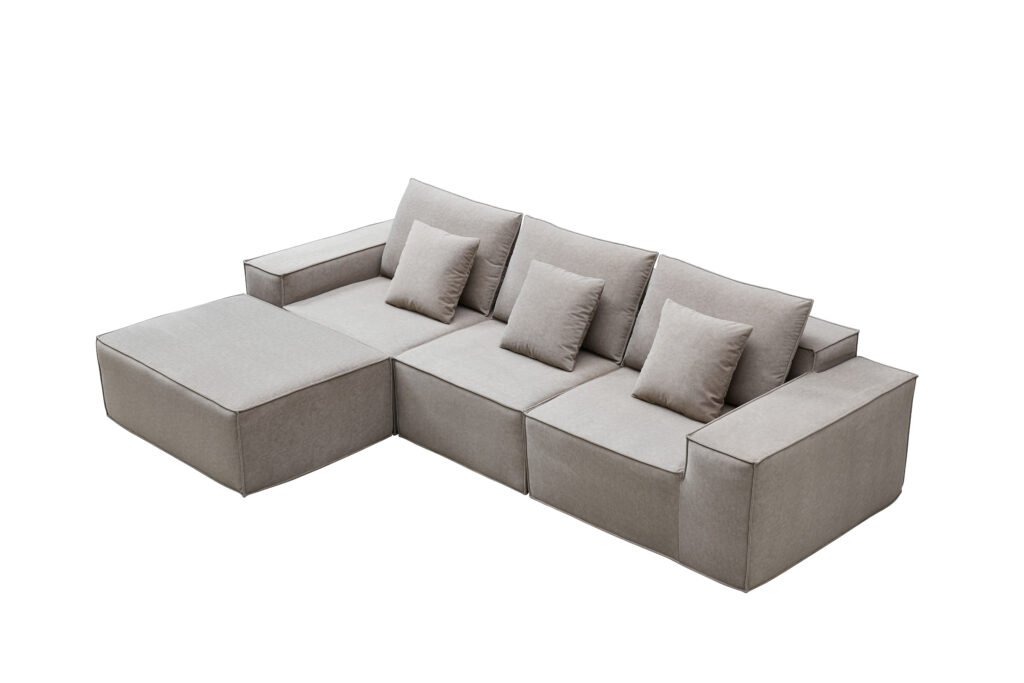
In 2025, compression technology isn’t just a trend — it’s a full‑scale transformation in the home furniture industry. Once limited to mattresses, compression has expanded rapidly into sofas, sectionals, sofa beds, and modular seating. As someone deeply involved in this space through Compress Sofas, I’ve seen firsthand how this shift started, why it’s growing so fast, and what it means for manufacturers, sellers, and customers around the world.
This article explores the journey “from mattresses to sofas,” explains the mechanics of compression technology, and reveals why it’s now one of the most disruptive forces in home furniture. Along the way, we’ll look at market trends, technology advantages, consumer behavior, and strategic insights — and include a comprehensive comparison table showing before‑and‑after effects of compression across product categories.
1. The Origins of Compression Technology
Compression in home goods began in the mattress industry. For years, mattress manufacturers struggled with bulky, heavy products that were expensive to ship and difficult for customers to handle. Compressing mattresses into a vacuum‑sealed cylinder changed everything.
Suddenly:
-
Retailers could ship mattresses via standard couriers.
-
Delivery was cheaper and faster.
-
Customers could handle setup themselves.
This shift boosted online mattress sales and created a new way to think about furniture logistics. It also proved that large soft goods could be compressed without damaging quality or comfort.
Once this idea took hold, innovators started asking: What else can we compress?

2. Enter the Sofa — A Bigger Challenge
Sofas are larger, heavier, and more complex than mattresses. Unlike a mattress, a sofa has:
-
Frame structures
-
Cushions with foam and springs
-
Armrests and backrests
-
Cover fabrics
At first glance, compressing a sofa seems impossible. But advances in materials and engineering made it feasible. The breakthrough came from designing sofas to be compression‑ready from the start, rather than trying to compress a traditional sofa.
That meant:
-
Optimizing frame designs
-
Using specialized foam blends
-
Adapting spring systems
-
Engineering fabrics to flex and recover
At Compress Sofas, we focused on these innovations early, which allowed us to build a range of sofas that compress reliably and expand beautifully.
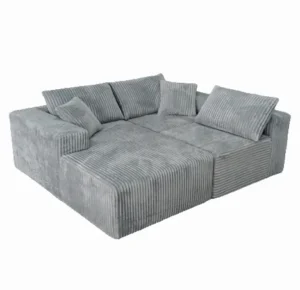
3. How Compression Works (Simplified)
To understand the boom, it helps to know how compression works in both mattresses and sofas.
-
Material Selection: Specialized foam and textiles that return to shape
-
Vacuum Sealing: Air is removed to reduce volume
-
Mechanical Roll‑Packing: The product is tightly rolled or folded
-
Packing & Shipping: The item fits in a compact box
-
Unboxing & Expansion: The product regains its shape over time
This process reduces volume dramatically and makes bulky items feasible to move economically.
4. Table: Compression Impact Across Furniture Categories
| Category | Traditional Shipping | Compressed Shipping | Space Reduction | Customer Convenience | Primary Benefit |
|---|---|---|---|---|---|
| Mattress | Bulky freight | Compact boxed | ~70–80% | Very High | Lower shipping cost |
| Sofa (Standard) | Large freight | Not possible | 0% | Low | N/A |
| Sofa (Compressed) | Medium freight | Compact boxed | ~60–75% | High | Logistics + ease |
| Sectionals | Multi‑piece freight | Multiple compressed | ~60–70% | High | Modularity + shipping |
| Sofa Bed | Bulky freight | Compressed boxed | ~65–75% | High | Versatility + efficiency |
| Recliner | Very bulky freight | Partial compression | ~50–60% | Medium | Easier handling |
This table shows the dramatic advantages compression brings when applied correctly.
5. Why Compression Is Exploding in 2025
Several major forces are driving the rapid expansion of compression in home furniture:
Urban Living Demands
Urban populations are growing worldwide. Modern homes are smaller, and buyers want furniture that fits:
-
Smaller doorways
-
Tight corners
-
Compact apartments
Compressed furniture ships small, delivers easily, and expands without heavy lifting. That’s a winning combination for urban buyers.
E‑Commerce Growth
Online furniture sales have grown faster than ever. Traditional furniture often requires white‑glove delivery or freight. Compressed products fit in standard boxes and can be shipped through couriers. This opens up:
-
Amazon and multichannel retail
-
Shopify direct‑to‑consumer stores
-
Social commerce platforms
Compressed sofas bridge the gap between bulky furniture and online convenience.
Logistics and Cost Efficiency
Freight and warehousing are expensive. Compression reduces:
-
Shipping volume
-
Storage footprint
-
Delivery complexity
Lower logistics cost means lower end‑user prices and higher seller margins.
Customer Experience
Consumers today expect:
-
Fast delivery
-
Easy setup
-
Minimal hassle
Compressed furniture meets these expectations. No waiting for freight trucks. No scheduling appointments. Just unbox and let the product expand.
Sustainability Trends
Compressed shipping reduces transportation emissions and packaging waste. Many buyers today prefer products that are easier on the environment. This enhances brand appeal and aligns with corporate sustainability goals.
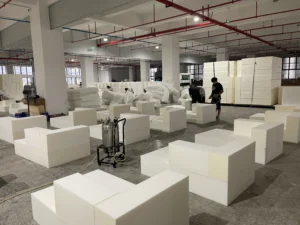
6. Historical Trajectory: From Mattresses to Furniture
It’s helpful to look at how compression grew over time:
Phase 1 — Mattresses Only:
Early 2010s: Mattress‑in‑a‑box becomes mainstream.
Phase 2 — Early Sofa Trials:
Late 2010s–Early 2020s: Initial attempts at sofa compression; mixed success.
Phase 3 — Full Sofa Adoption:
2023–2024: Compressed sofas become reliable and scalable products.
Phase 4 — 2025 Boom:
Today: Compression is widespread across sofas, sectional sets, sleeper sofas, and more.
This progression shows how technology, logistics, and consumer readiness aligned.
7. What Makes Compressed Sofas Different from Mattresses
While both use compression, sofas present unique challenges:
Structural Complexity
Sofas have frames and multiple components. Compression requires engineered flexibility without sacrificing structural integrity.
Material Behavior
Foam in sofas must rebound without warping. Fabric must avoid creasing or damage during compression.
Customer Setup Expectations
Mattresses typically expand overnight. Sofas must maintain shape, support, and comfort without long wait times.
At Compress Sofas, we optimize each model so that recovery time, comfort, and durability are all consistent with customer expectations.
8. Market Growth Projections (2025–2030)
The compressed furniture segment is expanding rapidly. While the overall furniture market is large, the compressed category is one of the fastest growing segments.
Key Growth Drivers
-
E‑commerce adoption
-
Urbanization
-
Logistics efficiencies
-
Demand for convenience
-
Sustainability focus
-
9. Consumer Behavior and Trends
Modern buyers are not just buying products — they are buying experiences:
-
Easy unboxing videos on social media
-
Quick setup in small living spaces
-
Minimal hassle returns
-
Solutions for multifunctional rooms
Compressed furniture fits into lifestyles that value speed, convenience, and adaptability.
10. Challenges and Misconceptions
Despite the boom, some challenges remain:
Misconception: Compression Reduces Quality
Some buyers still believe compressed furniture is inferior. Education, reviews, and demonstrations help overcome this.
Logistics Handling
Not all couriers understand furniture compression. Selecting the right partners is crucial.
Returns and Warranty
Standardizing return procedures for compressed items like sofas requires clear policies and packaging solutions.
At Compress Sofas, we support partners with guidance on these areas.
11. Compression Across Product Types
Compression isn’t limited to sofas and mattresses. It’s expanding into:
-
Sectionals
-
Sofabeds
-
Ottoman seating
-
Modular lounges
Each category uses similar technology but tailored engineering approaches.

12. Competitive Positioning and Market Strategy
For sellers and brands, compression creates a competitive advantage:
-
Lower logistics costs
-
Widened shipping availability
-
Higher online conversion rates
-
Positive unboxing experiences
-
Less dependency on freight delivery
-

13. Real‑World Impact: Success Stories
Across markets, sellers using compressed sofas report:
-
Faster order fulfillment
-
Higher customer satisfaction
-
Lower return costs
-
Increased repeat purchases
This practical feedback reinforces why compression is driving industry growth.
14. The Future of Compression Technology
Looking ahead, compression will continue evolving:
-
Advanced foam blending for faster expansion
-
Integrated smart packaging
-
Automated compression equipment in factories
-
Enhanced sustainability approaches
These developments will further expand the role of compression in home goods.
15. Getting Started with Compression in Your Business
If you’re a furniture seller, manufacturer, or distributor, consider:
-
Developing compression‑ready product lines
-
Optimizing packaging for courier networks
-
Creating high‑quality online presentation and videos
-
Educating customers on compression benefits
-
Analyzing logistics and pricing strategies
At Compress Sofas, we help partners design, source, and scale compression‑optimized products.

16. Conclusion
The transition from mattresses to sofas represents more than a product shift — it reflects a fundamental change in how furniture is produced, sold, and delivered. Compression technology has unlocked new possibilities in logistics, e‑commerce, customer experience, and sustainability.
As we move further into 2025 and beyond, compression will continue driving innovation and growth across the home furniture industry. Whether you are a manufacturer, retailer, or online seller, understanding and adopting compression technology is no longer optional — it’s a competitive advantage.
The furniture industry has entered a new era, and compression is at the heart of it.
Are you ready for what comes next?