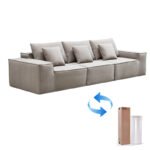
Understanding Compressed Sofas Materials and Unique Quality Control Demands
When it comes to compressed sofas, quality control needs a special approach. These products aren’t like regular sofas because they’re vacuum-packed and compressed for shipping. This makes their materials face unique stresses, which means standard sofa testing doesn’t cover everything.
Key Components Breakdown
Frame Materials
Choosing the right frame is critical. The most common options are:
- Solid Wood: Durable and sturdy, but can be sensitive to moisture and may warp under uneven compression.
- Metal: Offers excellent strength and resists warping but can add weight and cost.
- Composite: A mix of materials aiming to balance weight, cost, and durability, but may vary widely in quality.
Each frame type behaves differently when compressed. Solid wood may crack if improperly compressed, while metal frames usually hold up better under pressure. Testing durability under actual compression scenarios is essential.
Foam Types
Foam is the heart of comfort, but compressed shipping brings specific challenges.
- High-Density Sponge: Often heavier and more resilient, it bounces back better after compression but must be tested for long-term rebound elasticity to avoid sagging.
- Memory Foam: Soft and contouring but may have slower recovery times, which could affect the sofa\’s shape after unpacking.
Resilience testing here checks how well foam regains its original shape after being compressed for days or weeks.
Fabrics and Fillings
The fabric must survive both compression and daily use. You typically see:
- Breathable cotton-linen blends that feel natural but can wear faster.
- Performance synthetics made to resist wear and tear, stains, and stretching.
Fillings underneath the fabric also influence wear resistance. These choices impact how well the sofa holds up once expanded and in regular use.
Why Standard Sofa Quality Control Falls Short
Typical QC methods focus on traditional sofas that arrive fully assembled and unpacked. But with compressed sofas, you face compression-specific risks:
- Set deformation: Permanent shape changes from being packed tightly too long.
- Uneven expansion: Parts of the sofa may return to shape more slowly or not fully, causing wrinkles, lumps, or instability.
Ignoring these can lead to high return rates and unhappy customers.
Industry Standards Overview
To address these, some standards apply:
- ASTM F1560: Governs foam testing, including density and compression recovery.
- ISO 7170: Focuses on stability and strength for furniture frames.
Following these helps ensure sofas meet safety and durability benchmarks, especially important in the compressed sofa market.
Understanding these material differences and unique quality control demands is the first step in delivering durable, comfortable compressed sofas that stand out in the US market. In the next sections, we\’ll break down how to test and inspect every stage for reliable results.
Step-by-Step Quality Control Process in Compressed Sofa Manufacturing

Quality control in compressed sofa production is all about catching issues early and ensuring every piece meets strict standards. Here’s how we handle it step-by-step:
1 Raw Material Inspection
Before anything else, we check all raw materials carefully:
- Foam Density must be above 28 kg/m³ to ensure durability and comfort.
- Wood Moisture Content stays below 12% to prevent warping or mold issues.
- Fabric Strength is tested for tensile resistance to avoid tears and wear.
We use calipers, spectrometers, and other precision tools for these tests. Plus, we monitor reject rates and audit suppliers regularly to keep quality consistent.
2 In-Process Assembly Checks
During assembly, everything has to line up perfectly:
- Frame alignment and stability are confirmed to avoid any wobbling or warping.
- Stitching is inspected for strength and consistency—no loose threads allowed.
- Cushions are inserted correctly for even support.
We use real-time dashboards to track deviations immediately.
Additionally, we run ergonomic load-bearing simulations to make sure each seat can safely handle 300+ lbs, matching U.S. consumer needs.
3 Compression and Packaging QC
Compression and packaging are unique to compressed sofas:
- The vacuum compression ratio targets at least 3:1 to minimize space but avoid damaging materials.
- We monitor pressure levels closely to prevent over-compression, which can reduce foam rebound elasticity.
- Packaging seals are tested for leaks to keep the vacuum intact during shipping.
4 Pre-Shipment Final Inspections
Before shipping, every sofa goes through a final check:
- Aesthetic scans look for any visible defects or fabric inconsistencies.
- Stitching and colorfastness tests confirm durability for everyday use.
- Complete documentation and traceability ensure every batch meets compliance and customer expectations.
For a detailed view of our product range and quality benchmarks, check out our product catalog.
This step-by-step QC process helps us deliver compressed sofas that are both comfortable and built to last for your home.
Essential Testing Methods for Compressed Sofa Durability
When it comes to making sure compressed sofas last, testing is key. At HSM, we focus on several important methods to keep quality high and customers satisfied.
Foam Rebound and Compression Set Tests
Foam is the heart of any sofa’s comfort. We test foam by letting it expand over 24 to 72 hours after unpacking. This expansion is critical because a good compressed sofa should bounce back close to its original shape. According to ASTM D3574 standards, the foam’s compression set—that’s how much it fails to return to normal after being squished—should be less than 5%. This means the sofa stays firm and avoids long-term sagging.
Structural and Safety Assessments
We run tilt and rotation simulations to make sure the frame handles real-life movements without warping or breaking. On top of that, fire safety is a big deal, especially for US customers. Our sofas meet UFAC Class I fire retardancy standards, ensuring safer use at home.
Unboxing Simulations
A compressed sofa needs time to fully recover after being unpacked. We simulate this process to check that the sofa regains its shape and comfort within 3 to 5 days. This step is critical to meet customer expectations in the United States, where quick setup and comfort are top priorities.
Performance Metrics to Track
For US consumers, longevity matters. Our sofas are designed and tested for a lifespan of 5 to 15 years based on typical use. We constantly monitor key metrics like foam rebound elasticity, structural stability, and fabric wear resistance to keep returns low and satisfaction high.
By focusing on these essential tests, we make sure every compressed sofa meets the needs of American households for comfort, durability, and safety.
Common Defects in Compressed Sofas and Prevention Strategies
When it comes to compressed sofas, some defects pop up more often than others. The main issues we see include:
- Foam sagging – This happens when low-quality foam loses its rebound elasticity after unpacking.
- Fabric pilling – Poor fabric choices or weak stitching can cause the surface to pill or wear quickly.
- Frame warping – Using subpar wood or metal that can’t handle compression leads to bending or twisting after unpacking.
These problems mainly come from two root causes: subpar materials and improper compression processes. Both hurt the sofa’s durability and customer satisfaction, especially in the U.S. market where durability is a must.
At HSM, we take a proactive approach to prevent these defects:
- Supplier vetting – We carefully select and audit suppliers to ensure only high-quality materials make it in.
- Batch sampling with AQL 1.5 – This quality level means we catch defects early before products ship.
- Automated alerts – Real-time monitoring helps us spot issues during manufacturing so we can fix them fast.
On top of quality control, we also focus on sustainability. Using eco-friendly materials reduces waste and appeals to environmentally conscious customers. This not only cuts costs but also builds trust with buyers looking for greener furniture options.
By addressing these common defects with strong prevention strategies, HSM ensures our compressed sofas meet the high standards expected in the U.S. market, delivering comfort and durability every time.
Best Practices for Implementing QC in Your Operations
Building a QC Culture
Creating a strong quality control culture starts with training. Make sure your team understands the unique demands of compressed sofas—from raw materials to final packaging. Regular training sessions help keep everyone on the same page and focused on quality. Use KPI dashboards to track key metrics like return rates. Aim for less than 2% returns, which signals your QC process is working well.
Integration with Your Supply Chain
Quality control isn\’t just about your factory; it involves your suppliers and partners too. We work closely with our suppliers at HSM, performing custom audits to ensure every material meets strict standards. This collaboration helps catch issues early, so problems don’t appear in your finished sofas. Keeping your supply chain tight means consistent quality every time.
Cost-Benefit Analysis
Investing in strong QC pays off. With fewer defects, you cut down on returns and repairs, saving money in the long run. Our experience shows that good QC can reduce returns by 20-30%, boosting customer satisfaction and building brand trust. This return on investment makes quality control a smart business move, especially for compressed sofas where durability and appearance matter most to U.S. customers.
By focusing on training, strong supplier partnerships, and measuring results, you set your compressed sofa operations up for success.