In 2025, compressed sofas are no longer an obscure niche item. They are rapidly becoming a major global home furniture trend—across e‑commerce, export markets, logistics solutions, and modern living spaces. As someone deeply involved in this industry, I can say the transformation is real and it’s happening now.
In this article, I’ll share why compressed sofas are trending globally in 2025. We’ll explore market forces, consumer behavior, logistical advantages, design evolution, and how businesses can take advantage of this trend. Most importantly, I’ll explain what you should prepare next if you’re selling, sourcing, or manufacturing compressed sofas.
What Is a Compressed Sofa?
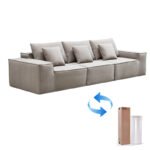
Compressed sofas—sometimes called vacuum‑packed or flat‑pack sofas—are standard living room sofas manufactured and engineered to be efficiently compressed for shipping and storage. They arrive in compact boxes, expand rapidly when unpacked, and offer comfort and durability similar to traditional sofas. TEEMLIVING/Divany furniture Co., Ltd
This simple idea creates profound effects across manufacturing, supply chain, sales channels, and consumer lifestyles.
1. Global Furniture Market Outlook: Why Now?
Before focusing on compressed sofas alone, it’s worth looking at the furniture market overall.
The global furniture market is colossal. In 2025, it is forecast to reach nearly USD 769 billion, growing steadily toward 2030. Urbanization, online shopping growth, and multifunctional design trends all help fuel this growth. Mordor Intelligence
Within this landscape, innovative segmented products like compressed sofas have begun to capture disproportionate attention because they meet modern demands that traditional furniture struggles to serve

2. Big Trends Behind Compressed Sofa Growth
Urbanization and Space Constraints
Urban living has been trending upward for decades. Many homes, especially in Asia, Europe, and North America, are becoming smaller. Traditional bulky furniture is increasingly impractical. Compressed sofas address space concerns both before and after delivery:
-
Compact for transport, saving warehouse and delivery space.
-
Flexible for living spaces, especially small apartments.
Industry reports show that as urban housing gets tighter, the demand for space‑efficient furniture rises. Hongkong Leeway Company Limited
Logistics and Cost Efficiency
One of the most transformative trends supporting compressed sofas is logistics innovation.
Compressed sofas can reduce shipping volume by up to 70% or more compared to standard sofas. This means:
-
Lower freight costs
-
More units shipped per container
-
Easier handling and storage
-
Fewer damages during transit
-
Fast delivery with standard couriers

For example, a standard L‑shaped sofa that once occupied 2.3 cbm can be compressed to just 0.7 cbm. This reduction enables a 40‑foot container to fit far more units, greatly lowering per‑unit cost. HANHAN
This logistic advantage is becoming widely recognized as a game‑changer in export markets, especially Europe and North America where freight prices directly influence product pricing and competitiveness. HANHAN
E‑Commerce and Direct‑to‑Consumer Sales
E‑commerce adoption in furniture has accelerated enormously. More buyers are comfortable purchasing big‑ticket items online if delivery and return are convenient.
Compressed sofas are exceptionally well suited for online sales because:
-
They can be shipped in single boxes through courier networks
-
Delivery is easier without freight trucks
-
Handling and setup are simple for end users
This boosts conversion rates, reduces return issues, and enhances customer satisfaction.
As online retail grows, related search interest and listings for compressed sofas have expanded rapidly on global B2B and B2C platforms. Accio
Design Innovation and Customization
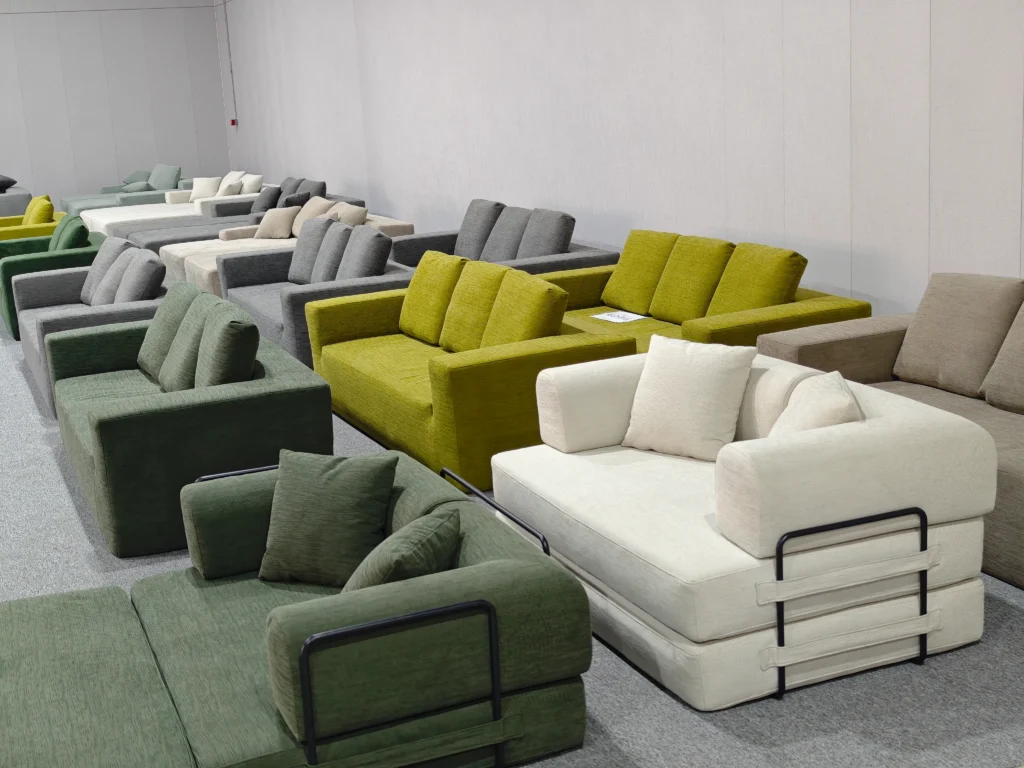
In 2025, compressed sofas are no longer simple boxed sofas with basic designs. Today’s market offers:
-
Modular sectional sets
-
Sofa beds and multifunctional configurations
-
Custom upholstery and fabrics
-
Modern minimalistic styles
These designs appeal to a wide range of buyers—from first‑time homeowners to interior designers and hospitality clients.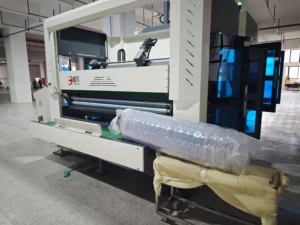
This trend aligns with broader 2025 furniture design movements toward modularity, sustainability, and personalized interior styles. Accio
Sustainability and Eco‑Friendly Shipping
Sustainability is no longer a nice‑to‑have—it’s a purchasing factor. Consumers increasingly consider carbon footprint and waste reduction when choosing products.
Compressed sofa packaging reduces energy, space, and material usage compared to traditional bulky furniture shipping. Some brands are promoting this ecological advantage as part of their marketing strategy, capturing environmentally conscious buyers. Lemon8
3. Key Market Drivers and Challenges
The growth of compressed sofas is not accidental—it is the result of multiple forces converging:
| Category | Drivers | Challenges |
|---|---|---|
| Market Demand | Urbanization; home space constraints; online shopping growth | Misconceptions about durability |
| Logistics | Lower freight costs; easier handling | Compression quality varies by supplier |
| Design | Modular, customizable aesthetics | Need for enhanced comfort standards |
| Sustainability | Reduced shipping footprint | Green certification demands |
| Sales Channels | B2C, e‑commerce, direct sales | Competition from traditional furniture |
This table illustrates how drivers outweigh hurdles, making the category ripe for rapid adoption.
4. Regional Market Trends
Asia‑Pacific
Asia remains the largest furniture manufacturing and export hub. Urban migration, young professionals, and tight living spaces are major drivers. Online penetration and infrastructure also accelerate adoption. Compressed sofas are gaining ground in China, Southeast Asia, and India. Accio
Europe
European markets embrace space‑efficient designs. Density and smaller apartments make modular compressed sofas attractive. Many European retailers list vacuum‑packed sofa models for urban homes. Accio
North America
In the U.S. and Canada, DTC furniture brands are booming. Compressed sofas fit this model perfectly—simple delivery, minimal assembly, and appeal to Millennials and Gen‑Z buyers comfortable buying furniture online. Union-win Foam
Emerging Markets
Latin America, Africa, and parts of the Middle East are also catching up. While traditional furniture still dominates, exposure to e‑commerce and changing lifestyles creates new growth opportunities. Union-win Foam
5. Business Opportunities: What You Should Prepare
For Manufacturers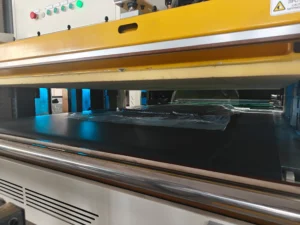
-
Invest in advanced compression technology
-
Ensure quality retention post‑compression
-
Diversify models and customization options
-
Use recyclable and sustainable materials
For Sellers & Retailers
-
Optimize logistics pricing for courier deliveries
-
Create compelling online listings with unboxing imagery
-
Educate customers on comfort and quality benefits
-
Provide clear size and setup information
For Exporters
-
Highlight cost savings for international buyers
-
Use case studies showing container load advantages
-
Target markets with high freight sensitivity
6. How Consumers Are Responding
Studies and industry observations show that:
-
Buyers prioritize quick delivery
-
Customers appreciate easy handling and setup
-
Many urban residents prefer modular layouts
These preferences align exactly with compressed sofa benefits—a strong signal that consumer behavior and product innovation are synced perfectly for 2025. TEEMLIVING/Divany furniture Co., Ltd
7. Predictions for 2025 and Beyond
Based on current adoption rates and industry interest:
-
Compressed sofas will continue gaining market share
-
Larger furniture brands may adopt compression packaging
-
Sustainability will become a stronger selling point
-
-
E‑commerce channels will dominate sales
By aligning product development with these trends, businesses can ensure growth and relevance in 2025 and beyond.
Conclusion
In 2025, compressed sofas are not just a trend—they are a transformation in how furniture is designed, manufactured, shipped, sold, and used. Their combination of convenience, cost efficiency, aesthetics, and sustainability makes them an unstoppable force in the global furniture market.
If you are in furniture manufacturing, selling, exporting, or retailing, the time to embrace compressed sofas is now.